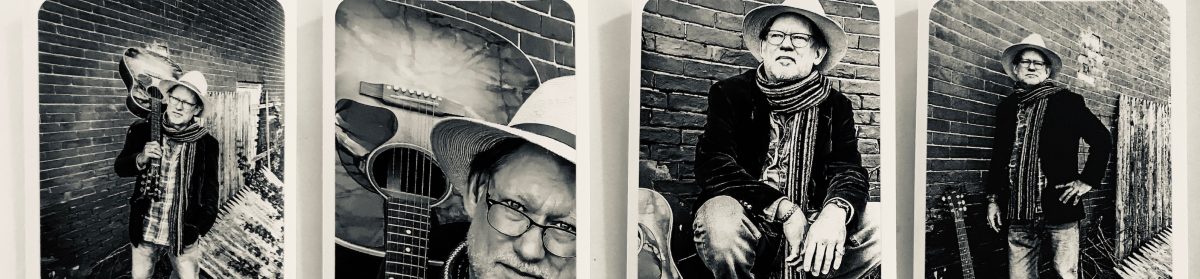
REVIEW: Todd Snider Spins Hard Times into Gold at the Ardmore Music Hall

Photos by Jimmy Faber Photography

As published in Americana Highways on March 29, 2019 

 Todd Snider is that rare combo: a consummate songwriter and showman all in one. With a catalog of 16 albums dating back to 1994, along with countless writing credits to his name, he recently returned to his roots, so to speak, with Cash Cabin Sessions, Vol. 3. Shelving his backing band The Hardworking Americans, Snider takes a barebones folky (as in, “what the folk?!”) approach to the Vol. 3 sessions (volumes 1 and 2 were recorded but have not yet been released) that highlights the layered irony of his lyrics, along with his masterful phrasing and peerless comedic timing.

It also highlights a new predilection for the supernatural and suspiciously serendipitous events. His song “The Ghost of Johnny Cash,” which is central to the album, describes John Carter Cash’s vision of Loretta Lynn dancing with the ghost of his father outside the family cabin, as Melissa Clarke’s recent interview with Snider details. Suffice to say, this turn to supernatural inspiration is a bit surprising in a self-avowed agnostic hippie. But as Snider told John Carter Cash before the latter related his dancing Loretta Lynn story, “I’m not really a ‘haunted’ person, but I’m not against it.”

Aside from his apparent openness to supernatural events, Snider also has a well- known history of drug addiction with related trips to rehab, assorted weirdness and broken relationships — including a traumatic divorce in 2014 — that makes one wonder which version of Todd Snider is going to show up when he performs.

Luckily it was a sober, energetic and especially quick-witted Snider who showed up for the Ardmore performance March 14, the second show of his current tour. Unlike his appearance at The Birchmere a week later (also reviewed in Americana Highways), he didn’t bring his dog Cowboy Jim on stage with him, and he didn’t go barefoot. He also wasn’t sporting (thankfully) that frightening, ungroomed beard that showed up in some of the early promotional shots for Cash Cabin.

What he DID bring to the Ardmore Music Hall was his guitar, some new stories, his congenial goofiness, and his sometimes gently satiric, at other times outrageously outspoken worldview. Part Will Rogers-ish voice of the common man, part hippie Zen master and part hard-partying stoner savant, Snider’s infamous between-song banter is droll, painful, prodding and heartfelt by turns. His tall tales almost always end with a pointed punchline (typically a self-mocking or ironically self-undermining one) that you didn’t quite see coming. This just enhances their powerful, reverberative effect.

Fellow Nashvillean Reed Foehl (pronounced “fail” — though, as he told the audience, he likes to preface it with the word “never”) opened for Snider with a set of well-crafted and emotionally affecting ballads on such serious subjects as his father’s decline and his mother’s battle with lymphoma. His father’s love of John Prine, Foehl related between songs, inspired him to pen the Prine-like “Chances Are” about his time spent taking care “of the ones who took care of me / And my highly dysfunctional family.” Several of his other songs shared that focus on mortality, loss and the slow-fast warp of time’s passage, including one containing the refrain “It’s a goodbye world, passing through it” and the stirring ballad “Wake Up the Dead.”

It was thus almost a relief when Snider showed up with his shuffling Chaplinesque gait to brighten the evening with his expected mix of levity, political edginess and hard-earned wisdom re: that hopeless bunch of mammals we call humanity. Dressed in a blue workshirt, chuka boots and his trademark floppy hat, Snider launched right into “East Nashville Skyline,” with its description of crossing over to that neighborhood’s unique “state of mind” with its “discount cigarettes, liquor and wine.” The crowd whooped approvingly as Snider sang about how the radio “kicked us off of the air / So that more Sheryl Crow could come on… Come on!” — and it was off to the races from there.

Snider essentially writes four types of songs: comedic send-ups; explicitly political numbers; songs packed with bittersweet social observations, typically told from the point of view of the down-and-out and/or outcasts; and poignant, sometimes deeply personal, ballads. Of course, being a contrarian he also mixes zinger one-liners into his serious songs and serious notes into his comedic zingers, but despite those hybrids those four categories seem to hold true.

He mixed those categories artfully at AMH, with a slight lean towards the last two. Among the more comedic numbers were “Barbie Doll,” “Beer Run,” “I Can’t Complain,” “Alright Guy,” “Just in Case” and “Iron Mike’s Main Man,” while songs from the bittersweet/socially observant category included “Sunshine,” “Looking for a Job,” “D.B. Cooper,” “Play a Train Song” and the aforementioned “East Nashville Skyline.” The explicitly political numbers came in a row, starting with the obligatory “Conservative, Christian, Right Wing Republican, Straight, White, American Males,” followed by the rapid-fire tour de force “A Timeless Response to Current Events” (with its refrain “Ain’t that some bull… shit?”), then “Talking Blues” from Vol. 3, and later on the long, seemingly improvised (though actually not) rap “The Blues on Banjo,” with its bitter, crowning exclamation: “So zippety- do-dah, muthafucker; zippety-ay!”

Snider’s artful interweaving of those three song types leant extra force to his more personal/serious numbers. These included the touching ballad “I Waited All My Life for You,” the moving “Old Times” (which Snider sang passionately), and his first encore number, “Force of Nature.” That last song, off the new album, contains the quintessential Todd Snider lines: “May you always play your music / Loud enough to wake up all of your neighbors / And may you play at least loud enough / To wake yourself up.” (Amen to that!)

Along with “The Ghost of Johnny Cash,” which requires a whole new category of its own, the final song of Snider’s four-song encore was a stunner. He actually took on — head on, as they say — the perennial obnoxious concert-goer’s favorite request: “Free Bird.” Snider’s slow acoustic version of that time-worn cliché of a tune gave it a whole new life, I thought; he seemed to wring every last, surprising emotion out of it, like a magician pulling a rabbit out of a threadbare hat. He left the stage jumping up and down excitedly as the crowed roared its passionate appreciation.

You gotta hand it to him: despite the shambolic, sometimes (intentionally?) unpolished demeanor, Snider is an inspired, pro’s pro of a performer when he’s got his act together. Let’s hope his happy streak of great songwriting and focused sobriety continues.

—————

Tour dates, videos, recordings and merchandise can be found at: https://toddsnider.net/home/

REVIEW: Who? What? When? Why? & Werewolves?’ “Greatest Hits” Hits the Spot with its Dark Lyricism and Defiantly Indie-Bluegrass Vibe

As published in Americana Highways on March 22, 2019 

While plenty of bands have mixed bits of hard rock or punk flavoring into their Americana / Alt Country sound — Whiskeytown, the Waco Brothers, Old 97s and Uncle Tupelo all come quickly to mind — few have completely changed course and jumped directly from rock’s basic aesthetic, with its three-chords- and-some-angst sonic palette, to the more musically challenging and nuanced genre of bluegrass. But that’s essentially what the defiantly named Who? What? When? Why? & Werewolves? did in evolving from long-time Philadelphia rockers The Tressles into their current form as the 6W’s.

Not that their cheekily-named debut album Greatest Hits, to be released on March 29, doesn’t have a punkish attitude of its own. The band’s obscure, intentionally unwieldy name indicates right up front that it doesn’t give a fuck about what Music Row thinks. As band leader and songwriter Andrew Fullerton explains regarding the album’s impetus: “I think you get to a certain point in your life, and you really have to ask yourself what you’re making music for. With the state of the music industry being what it is, there’s not much point in making a record unless you feel really driven to create something.”

Hence, their website explains, 6W’s intention on this album is to “celebrate making music purely for the sake of creation” while “championing the stories of everyday people trying to make their way in this crazy life.” The title Greatest Hits speaks to the band’s deliberate refusal to concern themselves with any notion of trying to produce “hits.” “As I’ve gotten older, the scope of my life has gotten narrower,” Fullerton, who works as an executive chef at a Delaware-based restaurant, explains. “I go to work, I see my family, I play in this band, and that little life, it’s perfect for me. If people don’t care about my music, it’s still good enough for me.”

As for the impetus behind the band’s radical genre change, Fullerton relates, “People would always tell me [when they were in The Tressels] ‘You write such beautiful, thoughtful lyrics, but we can’t ever hear them,’ so it was somewhat motivated by an interest in showcasing the lyrical content a bit more.” Of course, he adds with a wry laugh, “But to be honest, we just got tired of carrying so much gear around.”

Whatever the truth of that last statement, Fullerton’s literate yet earthy lyrics really do shine on Greatest Hits, along with banjo player Matt Orlando’s vocal harmonies and Pete Clark’s fiddle playing. Fullerton and Orlando have been playing music together for 15 years; their prior tenure with The Tressels — which released eight full length albums and gained a serious local reputation before calling it quits — helped them hone their vocal harmonies to the point where their seamless blending causes many listeners to mistake them for brothers. Throw in Clark’s fiddle and some nimble upright bass playing by Brian Grabski and you have all the necessary ingredients for a highly listenable yet intense, emotional brand of progressive indie-folk-bluegrass (for lack of a better term).

Mixed by Kyle Pulley and tracked by Mark Watter of Lizdelise at the Headroom in the gritty Kensington area of Philadelphia — where bands like Hop Along, Kississippi and New Jersey rockers The Pine Barons previously recorded albums — the seven song album was recorded, edited, mixed and remixed in seven days. “Kyle Pulley, the mixing engineer, was on tour with his band Thin Lips so he wasn’t present for the tracking,” Fullerton recounts. “Which was actually really interesting because he sort of re-built the songs and made them more expansive. I’ve never worked with a mixing engineer who really cared about the songs themselves [and] not just the technical/sonic template aspect of the process.”

The collection’s opening track, “Bluebird,” begins as a worried-sounding folk ballad, but takes on a wild intensity as Orlando’s banjo and backing vocals kick in behind Fullerton’s lamentation (or warning?) that “There’s a hundred thousand miles on this lemon of a heart / It’s not forever, it’s a pretty good start.” “I wouldn’t lie to you,” he assures the listener, but then the tone shifts: “I know, it surprised me too / Raise your hand and tell me about the bluebird.”

The hundred thousand miles grow to a hundred million by the next pre-chorus; the melody continues as before, but the lyrics get replaced with moaning wordless “ooooh – ooooh – ooooh’s”; the vocals rise in intensity, and suddenly the song stops at 3:05 in. It restarts with quiet guitar strumming, to which banjo, bass and fiddle are incrementally added; the mileage grows to a hundred billion; the chorus kicks in again with an even wilder intensity, and the song ends with a five-note flourish that lands it right in the lap of the album’s next tune, which commences forthwith. It’s an audacious, whirlwindy and auspicious start to the album.

That next tune, “John Blonde Sing My Eulogy,” takes things in a different direction. The banjo rolls take primacy at first, with the guitars, fiddle and a piano gradually blending in quasi-orchestrally behind them. Meanwhile Fullerton’s darkly reedy vocals confide that “It might seem grey from far away/ But it’s a white flag that I’m waiving to my enemy.” Framed by the refrain “If it’s twenty-to-one, two hundred versus two hundred / It don’t matter, I can’t remember who won,” it’s hard to tell if this song is the lament of Civil War soldier longing to breach the battle lines and head home, or the tale of a teenage runaway’s gradually dawning remorse. Either way, it’s a powerfully affecting tune.

I have to share Fullerton’s story about the source of the catchy “Rattail” — which premiered here on Americana Highways — since it’s so quintessentially Philly:

“Rattail” is about growing up awkward. More specifically it’s about my younger brother Sean and the wicked rattail mullet he had in the 90’s because he worshipped Philadelphia Phillies first baseman John Kruk. I remember our parents fighting about the fact I dyed my hair blue when I was 14. I was ashamed and embarrassed that it mattered that much to either of them. But now that seems so insignificant in my life.

The moral of the story, he summarizes, is: “Don’t be afraid to be a weirdo, have a bad haircut or be awkward. Hair grows out.” Americana Highways’ editor Melissa Clarke aptly describes this song as “a coming-of-age saga” whose “fluid banjo and easy rhythms” mate with its “lyrical confession of vulnerability” to evoke deeply “nostalgic emotions.” Having personally embraced some pretty awful hair styles over the years I can definitely relate to the song’s sentiment, as I suspect many other listeners will as well.

“Wilma” is the creepiest and darkest song on the album, and also its most memorable tune. Told from the point of view of a hardscrabble, rail-riding psycho named Cyrus who stalks the song’s namesake heroine across country, the song strikes a disturbing psychological chord. With lyrics like “Tell all your lovers you love ‘em so / Watch who you’re sleeping with cause he’s the first to go,” and “You look surprised to see my face / I know you thought you had escaped / But I’ve got a couple things that I just needed to say / Don’t you try and get away, don’t you try and get away!”, this is the dark, over-the-top stalker tune your mother warned you about. It’s obsessive, casually threatening and openly menacing by turns, in the vein of the Louvin Brothers’ “Knoxville Girl” and Matthew Sweet’s “Winona.” The melody of that rising chorus will stick with you like a bad nightmare, too — though in a good, hummable way. The mournful fiddle and click-clacking percussion provide the perfect unsettling undercurrent.

“Tell Me a Secret” conveys a similar though less threatening darkness: a darkness of the secretive soul, if you will. Fullerton describes it as “a swampy front-porch-psychedelic-gospel tune.” “We were referencing the Black Keys and The Band a lot,” he explains. “I think we found a middle ground between those two influences on this song. The song is all about little wishes we make and little secrets we keep. Quitting smoking, getting to hash it out with ‘the one that got away.’ I did actually quit smoking for real after I wrote this song.”

The short and sweet rumbler “Stacy’s in the Army” references a drag queen Fullerton and Orlando befriended after a gig who they later discovered was an officer in the US Army. “His story really struck me because I’ve never served in the military, and I don’t think I could ever do it,” Fullerton says. “But you hear over and over that the army defends your freedom, and I thought, ‘Stacy is really living that mantra. He serves his country for the right to be able to live however he wants to, and for him that means the freedom to be Stacy.’” As the song’s chorus matter-of-factly puts it: “Stacy’s in the army wearing lingerie / Don’t know what the major general’s gonna say / But he’s out there fighting for us everyday.”

“Priscilla” highlights Fullerton’s dark lyricism and rounds out the album with a fittingly mournful yet strangely upbeat vibe. “You’re down in a hole that’s big enough for two / Well I’ll follow you down if you ask me to” the song begins, and it continues in that desperate vein. “I thought about my mother’s and my father’s bills / I thought of mixing vodka with NyQuil.” “And I thought of having faith, and I thought of having patience / But kids today have no imagination,” Fullerton intones over undulating banjo and fiddle swells. Memorable lines like “Some things arrive that you just can’t take back” and “We had no instructions just a whole lot of buttons / So you had to push them all” come in a rush before the song ends with the disturbing twin couplets: “Got no desire to be the best / I just had to be your bulletproof vest / They had to take your smile and the heart from your chest / I’ll prevent them from taking the rest.” As with the rest of the collection’s tunes, there’s no lack of drama here.

Though clocking in at a short 21:50 running time, Greatest Hits is a fully satisfying collection, thanks to its rich variety of lyrical perspectives and musical textures. And though technically a “debut” album, it has — not surprisingly, given the longtime collaboration of core band members Fullerton and Orlando — the confident feel of a more mature unit’s release, though there’s also an exuberance and surprise to it. In that sense it’s the best of both worlds. At the very least, it’s proof positive that playing music for its own sake — and not giving a shit about whether anyone else likes it or not — can definitely pay off.

———

More info on the Who? What? When? Why? & Werewolves?, including tour dates, can be found at: http://6wmusic.com .

Americana Highways’ world premiere of “Rattail” can be found at: https:// americanahighways.org/2019/01/30/song-premiere-rattail-by-who-what-when- why-and-werewolves-from-upcoming-album-greatest-hits/ 

REVIEW: Josh Rouse Brings Intimacy, Warmth and Professionalism to The Locks at Sona

As published in Americana Highways on March 1, 2019 

I had not had a chance to see Josh Rouse in person before, despite having been a fan of his nuanced songwriting and impressively diverse catalog for decades, so I was not quite sure what to expect when I caught him at The Locks at Sona in Philadelphia last Friday night. To my delight, I discovered that Rouse is not only a pro’s pro as a musician — he played every tune, including a couple of older crowd-requested ones, with flawless virtuosity — but a personable and warmly engaging performer as well.

That winning combo was fully in evidence from the start and nicely enhanced by The Locks’ intimacy. Though it was a cold winter’s night outside, the atmosphere inside was warm and convivial thanks to Rouse’s easy, charming banter and at times self-deprecating sense of humor. Looking dapper in a dark blue suit and tie and with his light brown hair swept back from his forehead, Rouse leapt in with two of his “oldies but goodies” — the title track from his 2003 album 1972 and “It’s the Night Time,” from 2005’s Nashville — before introducing several tunes from his latest album, Love in the Modern Age.

Following some between-song banter about how tough the winter has been and “the best Scandinavian invention, besides IKEA and fish for breakfast: light therapy in the winter,” Rouse launched into the R&B-flavored “Come Back” with its confessional line “I miss my serotonin, my days are going nowhere fast” and the chorus’s plea “Come back… Baby, here the sun don’t shine / Bring my happy back.”

Accompanied only by a tobacco-burst Guild semi-hollow electric guitar, a small amp, a couple of effects pedals and an occasional harmonica, Rouse made his compositions come alive in ways that were surprisingly true to the fully orchestrated recorded versions. His tasteful integration of reverb, looping and chorus effects into his presentation was especially impressive, along with some deft whistling that helped carry the melodies over his consistently interesting chord changes.

The affluent, dinner-and-a-show crowd of 30- to 60-somethings certainly loved it, clapping and whooping loudly as each song ended and happily singing along at Rouse’s every request. As I overheard one audience member say afterwards, “Wow, that was FANTASTIC — I didn’t expect him playing solo would be so good!”

Rouse’s set list included three songs off the new album: “Salton Sea,” which he said was inspired by a YouTube documentary on that body of water that was narrated by John Waters (it was “kinda creepy,” he noted); “Businessman,” the catchy refrain to which (“Twenty-four hours a day”) Rouse claimed his kids sing whenever he and his wife argue (!); and the title track, ”Love in the Modern Age,” which he successfully urged the crowd to join him on.

Having grown up in a military family Rouse has lived all over the world, and his music incorporates a wide-ranging mix of influences, styles and musical flavors, including country, folk, pop, jazz, and R&B. Another particularly tasty flavoring comes from his exposure to Spanish music (he recently moved back to Nashville after living in Spain for a decade), and he happily incorporated several songs from the albums he produced during his stay on the Iberian peninsula. These included “Lemon Tree” from El Turista, during which Rouse played harmonica while artfully moving between simple triads and beefier chord voicings on the guitar; “JR Worried Blues” from The Embers of Time; and a lovely tune with Spanish lyrics about his former hometown, Valencia — where, he noted, Spain’s “second best invention behind the guitar,” paella, was first created — featuring flamenco-style guitar strumming and the lilting refrain “ciudad de la playa.”

Rouse alternated the Spanish-influenced tunes with other songs spanning his entire catalog, including the finger-picked “Quiet Town,” the California-loving “Sunshine,” “Flight Attendant” (about which Rouse commented, “I have no idea why somebody wanted to use that for a movie!”), and the moody “My Love Has Gone,” which had the audience tapping and snapping fingers to its chorus’s bittersweet minor chord changes. It was the first time I’d seen an audience cheer so loudly for a slow, sad ballad.

An experienced showman, Rouse connected with the audience by sprinkling in humorous anecdotes between songs. The most memorable of these was his tale about when Prince came to see him play a show at a supper club in Minneapolis. Having been alerted to the fact that the Purple Prince was in the house, Rouse decided to play his “sexiest” song for Prince. Unfortunately, Rouse relayed sadly, Prince got up and walked out in the middle of the performance.

Years later, Rouse had the opportunity to record with Prince’s trombone player, and the songwriter couldn’t resist asking what Prince was really like. “Horny,” the trombonist replied with a dead-serious look.

The last few songs of Rouse’s set — “Winter in the Hamptons,” with its simple, hyper-catchy refrain, followed by the smooth, Brazilian jazz-inflected “Here Comes the Summertime” and the mellow, arpeggiated finale, “It’s Good to Have You” from 2013’s The Happiness Waltz — were clearly the biggest crowd pleasers of the evening, along with his three encore numbers.

Rouse managed the arc of that three-song encore masterfully, moving from Marvin Gaye-inspired “Love Vibration” to the early ballad “Feeling No Pain,” and ending with the stunning “Sad Eyes.” That last tune — with its lovely, uplifting chorus contrasting with the dark minor-chord moodiness of the verses, which were punctuated by a startling double-time jump to the bridge followed by a sweet, orchestral slide back into the chorus — aptly showcased Rouse nimble, genre-defying songwriting chops.

By encore’s end the crowd was belting out every chorus along with Rouse, and the show ended to wildly appreciative applause. His showmanship never felt stagey or forced, yet Rouse managed to forge a tight connection with his audience in an incredibly short amount of time. That in itself was truly an impressive thing to behold.

—————

More info, tour dates, videos and recordings can be found at: https://

www.joshrouse.com

REVIEW: Life On The Road: Sarah Shook & The Disarmers and The National Reserve Rev Up Their Engines at the Ardmore Music Hall

Photos by Jimmy Faber Photography

As published in Americana Highways on February 25, 2019

Watching The National Reserve and Sarah Shook & the Disarmers play back-to-back at the Ardmore Music Hall last Saturday night, I realized that I was witnessing two nascent Americana bands literally headed in opposite directions.

Shook & Co. were on their last stop of a four-shows-in-four-nights East coast mini-tour, having been on tour — not only across the U.S., but in Norway, Sweden, Denmark, Canada, the Netherlands, the U.K. and Spain to boot — almost non-stop since early March of 2018. The National Reserve, on the other hand, were just about to embark on the European leg of their ongoing tour, with shows starting next week in Norway, Sweden, Denmark and Germany in support of their debut album Hotel La Grange.

Having caught Shook & the Disarmers, along with Zephaniah O’hora and Grady Hoss & The Sidewinders, at the tiny Dawson Street Pub in Philly in April of 2018, I was curious to see how the notoriously hard grind of life on the road might have affected them. The most obvious result was that the band was tight as hell, rolling through the best songs from their two albums (2017’s “Sidelong” and their 2018 follow-up “Years”) with precision, finesse and intensity. Shook’s voice was in fine fiddle and got stronger as the night went on, while guitarist Eric Peterson and pedal steel player Phil Sullivan took turns laying down tasty, Bakersfield-inspired licks. Bassist Aaron Oliva made playing barroom-brawl country on an upright bass look easy, while drummer Kevin McClain held the band’s groove steady throughout, shining particularly (though unobtrusively) on their trainbeat-driven numbers.

The band had clearly developed a solid sense of showmanship since I last saw them, when they came across as more of a fun-loving bar band that didn’t take itself all that seriously. Last March, Shook’s banter was carefree and edgy in that tough-chick, “I- don’t-give-a-shit” way of hers, the band happily chatted with the audience and the other bands’ personnel both on-stage and on the tiny patio by Dawson Street’s side door, they drank a just a wee bit (a-hem!), and they seemed genuinely to be having one hell of a good time.

This time around they seemed more self-aware, image-wise. Perhaps it was just that they are now playing bigger venues (the Ardmore Music Hall is easily eight times the size of the tiny Dawson St. Pub) as well as to more popular acclaim, with its attendant critical microscopes. Peterson, for example, came dressed up for the occasion, resplendent in a black silk top-hat decorated with a bright red band; with his lean, black-clad frame, dark-framed glasses and distinctly parted fu manchu- like grey beard, he looked the part of a poster-ready rock star.

The other band members were less nattily attired though. Except for Shook, who wore her usual combo of leather jacket (quickly removed), tattoos and fitted tee, they came casually dressed in grey t-shirts and jeans. Still, combined with the stage’s greater remove (compared to the stageless Dawson St. at least), the relative lack of between- song banter, the professional staging and light management, the overall impression I had was of a band that was less casual, but by the same token more professional and intent on taking their craft seriously.

The humorous moments I caught during the band’s time on stage at the AMH came when the singer ceremoniously tipped her plastic cup of whiskey with an over-hearty “Cheers!” to the crowd, and then later when I caught a glimpse of the band’s set list, with its cute, inside-jokey replacement of several abbreviated song names with titles like “Farting” (for “Parting Words”), “Home Fries” (for “Keep the Home Fires Burning”) and “Whut” (for “What It Takes”).

The crowd ate it up, singing along knowingly with several numbers. Those included “Fuck Up,” onto which the audience added an incongruously merry gloss to Shock’s weary, simmering anger, and “New Ways to Fail,” during which the crowd gave special emphasis to the line “I need this shit like I need ANOTHER HOLE IN MY HEAD.” By the time they got to “Damned If I Do, Damned If I Don’t” — during which Sullivan’s pedal steel quickly rose to the feisty occasion — a bunch of white- haired older gentleman in flannel shirts, jeans and trucker caps were crowding the front of the stage and shouting along with every word.

The only rumble of dissatisfaction I sensed from the crowd came when the band limited its encore performance to a single song. (In response to Shook’s ”We’ve got one more for you,” the crowd responded pleadingly: “How about two more?!?”) But what a performance that encore was! — with Shook spitting out the “Nah-AIILL in this here coffin” like an angry Appalachian cast-off, Peterson cueing up yet another habañero-hot Telecaster solo, and Sullivan following that with a series of well-lubricated pedal steel lines that prompted a chorus of “Yee-haw!!!’s” from the balcony.

Two earlier moments in the show shared the energy and joy of that encore. The first came when Shook delivered the recently-released ballad “The Way She Looked at You,” digging in passionately on the mournful chorus while Sullivan’s pedal steel wept openly behind her. The other big bump in energy, which sent a perceptible electric zing through the crowd this time, came when Peterson and Sullivan traded fours about 2:30 into “What It Takes,” while drummer Kevin McClain alternated deftly between delicate rim taps and rock-solid pounding. The ensemble playing was as tight as on the recording, but hearing and seeing it performed live was absolutely thrilling. It was clear at these moments that the band was not only clicking on all fours, but actively enjoying itself.

In short, Shook and her Disarmers delivered on all counts and clearly matched or exceeded the audience’s expectations. They did so in a regal, professional manner — rather than, in contrast with last year’s pre-European tour show at Dawson St., a band that was excited to be raisin’ hell out on the road, meeting new folks every night, and basking in the glory of a great new record.

On the other hand, the latter was exactly the vibe The National Reserve gave off during their thrilling 75+ minute, 11-song set. While I’m not sure the Reserve is quite “there yet” (to use a hack-critical phrase) in terms of the level of their songwriting — which is not as memorable and distinctive as Shook’s, for example — and their approach’s originality, they brought an impressive energy and verve, along with a white-hot level of musicianship, to their set at the AMH.

Like Shook and her Disarmers on their last two passes through Philly in 2018 (the second was at Johnny Brenda’s in mid-September), the Reservists seemed intent on kicking butt and taking no prisoners at AMH. Led by the towering songwriter, vocalist and multi- instrumentalist Sean Walsh along with Jon LaDeau on vocals and guitar, The Reserve came out rocking right off the bat with a Walsh-led power-poppish number that incorporated three-part harmonies and (naturally) a jangly Rickenbacher guitar. Walsh is a BIG guy and a strong vocalist with a rough-edged, soulful voice, and with his long dark hair and beard, American flag-adorned jeans jacket and hiking boots, he projected a powerful yet laid-back presence.

LaDeau, who grew up about a half-hour from Ardmore, took over the lead vocals on the second number, and the two continued to toss the lead vocal baton back and forth for the duration of the set, with bassist Scott Colberg and drummer Brian Geltner intermittently contributing tasty harmonies. LaDeau adorned this bouncy, melodic number with a scorching Les Paul solo featuring a nifty descending slide lick, which was followed by a second solo by Walsh that actually drew screams from the crowd.

This back-and-forth dynamic, with their talents intertwining at times, continued throughout, much to the crowd’s delight. The Reservists followed those first two numbers with a wide variety of tunes, including a swampy blues rocker highlighted by a Freddie King-like solo by Walsh; a folksy-twangy Americana singalong number called “Abe Lincoln”; a southern rocker featuring “Sweet Home, Alabama”-ish chord changes, a dual guitar attack AND dueling vocals; and a cover of Derroll Adams’ “Roll On, Babe” that incorporated a vaguely Caribbean shuffle beat, a glissando solo over chimey rhythm guitar effects, and a superb Les Paul slide solo by LaDeau.

The second half of their set included the title song from their album Hotel La Grange, a slow ballad about meeting the “queen of Bowling Green” at that hotel; a mid-tempo country rocker with Allman Brothers overtones; a slide-centered blues rocker that evolved into an extended jam that showed off all of the band’s skills, drawing wild applause from the crowd and the exclamation “MAN, this is fun!” from Walsh; and a tasty roots-gospel-country rock singalong with the refrain “Let me ride in your big Cadillac, Lord Jesus / Let me ride in your big Cadillac.” The audience happily crooned along on the latter.

They closed with a jammy southern rocker that featured more tasty harmonies and snazzy tempo changes. Walsh and LaDeau cut loose on the breakdowns and solos during this one, without the song’s ever getting raggedy or wooly. Tight in concept and delivery, it was a fitting finale to the band’s impressive set.

I would be remiss if I failed to mention local duo Hannah Taylor and Rekardo Lee (aka, Jesse Lundy), who opened the evening with a fun eight-song set of blues-based numbers. With her big up-draft of bright red hair and blonde cowboy boots, Taylor belted out these tunes — which encompassed everything from mellow mid-tempo numbers, to a rockin’ Ricky’ Nelson number (“I Believe”), to some obscure, low-down 1920s blues ditties and even a slow, sweet version of “Blue Bayou” — with a twangy yet robust voice reminiscent of early Bonnie Raitt. Alternating between a metal resonator guitar that was “double-signed” (the first signature had rubbed off) by Johnny Winter and a jumbo acoustic, Lee complemented Taylor’s voice perfectly with his good-’n’-growly slide accompaniment and Chuck Berry-inflected blues licks. Their good-natured, diverse set proved the perfect aperitif for the night’s main courses.

—————

Merch, videos, and tour dates for Sarah Shook & the Disarmers can be found at: https://www.disarmers.com

Tour dates, band info, recordings and merch for The National Reserve are available at: https://thenationalreserve.com/home

Info and links for Hannah Taylor and the Rekardo Lee Trio can be found at: https:// www.facebook.com/htrl3/

REVIEW: Hezekiah Jones Unveils Its Charming Cabinet of Snail Curiosities at 118 North

Photos by Jimmy Faber Photography

As published in Americana Highways on February 11, 2019 

What if I told you I’m in love with a band that was named after its mastermind’s pet snail? And that said band promoted itself for a time by representing its music as having been produced by a snail — and that its label (Yer Bird) was fine with that? And that the band’s website to this day features a page containing nothing but photos of snails?

What if I further told you that the same band decided, after finally agreeing to self- identify as humans, to obscure their identities by adopting the family moniker “Jones” and letting each band member preface his or her common surname (though none are related) with a jokey, old-timey Appalachian name?

Thus we have: Hezekiah Jones (aka, songwriting snail-lover Raphael “Raph” Cutrufello); Pocono Jones (Brad Hinton); Roy G. Biv Jones (Daniel Bower); Kiwi Jones (Kiley Ryan); Tones Jones (Andy Keenan); and Peter L.V. Jones (Alex Luquet).

Welcome to the surreal, humorous, sometimes dark, sometimes darkly humorous and always strangely magical world of Hezekiah Jones, the best and certainly most unique folk / Americana / sui generis band you probably haven’t yet heard of.

Orbiting around the fertile imagination and songwriting talents of Cutrufello, this collective of Philadelphia-area musicians — often featuring Phil D’Agostino in place of Luquet on bass and on this night featuring Keenan, recently returned to Philadelphia from Nashville, on pedal steel and banjo — has been quietly compiling a strong catalog of quirky, mundanely-yet-transcendentally beautiful and always hummable songs since the mid-2000s. A good number of those songs have the morbidly comedic feel of an Edward Gorey illustration; some seem to harken back to a vaguely Civil War-era America that history books could never capture, while others live in a weird, semi sci-fi time & space all their own.

In short, Cutrufello’s aim is off-kilter and intentionally headed off the beaten path — though his songs simultaneously seem hauntingly familiar, like misheard hymns or battle marches. As “Hundred Miles In,” from the band’s most recent, 2015 full-length album In Loving Memory of oosi Lockjaw (yes, you read that right) puts it: “I know you’re kinda strange / ‘cause you’re not really into the normal stuff / You know you’re kinda weird / when you’re not really into humans that much.” (He prefers snails, obviously.)

If you’re curious about this curious band, …oosi Lockjaw is a decent ledge from which to leap into their eccentric universe. Have You Seen Our New Fort? — a 2011 release that features 14 different players and incorporates such unusual instrumentation (especially for a “folk” album) as glockenspiel, waterboards, sleigh bells, trombones, baritone saxophone and clarinet — is another one.

Though you may not have heard of them, Hezekiah Jones has been a pretty big draw in Philadelphia for a while now, filling places like Johnny Brenda’s, the Ardmore Music Hall, and on this particular evening, the newish venue 118 North in Wayne (on the western side of Philly’s “Main Line”), where Cutrufello hosts a weekly Wednesday night open mic / jam that draws many of the area’s best musicians.

That same venue was packed to the gills with Hezekiah aficionados last Saturday. Darlyngton, the love-child band of Jack Shoudy and Emily MacDonald (who grew up in Wayne) — led off with a set dominated by danceable Grateful Dead jams and lesser known covers, including an interesting rendition of John Prine’s classic “Sam Stone.” A tall redhead with a strong voice and swirling freeform dance moves, MacDonald was the visual focal point, while the rest of the band played their parts more than competently, luring a good portion of the audience onto the dance floor by set’s end.

The Hezekiah Jones sextet then squished onto the smallish stage to play two long sets, performing 25 songs en toto, and re-peforming a snippet of one of those songs (their cover of Sonny & Cher’s “I Got You Babe”) at least eight times, by my count.

To be completely honest, after the third or fourth annoying repetition of that snippet, my reaction was WTF?!?

Cutrufello later reminded me that Februrary 2nd was Groundhog Day, and that that particular snippet — introduced heartily each time with the phrase “Okay campers, rise and shine, and don’t forget your booties, ‘cause it’s COLD OUT THERE!” by drummer Roy G. Biv Hones / Daniel Bower (who also serves as the regular drummer for central Pennsylvania Americana veterans Frog Holler) — plays on the radio as Bill Murray wakes redundantly to his alarm clock in the 1993 comedy of that name.

Now I’m not just annoyed; I’m thoroughly amused.

Cutrufello, you see, is a charmingly wicked, wickedly charming fellow, in his mild- mannered, sweet-natured way. He’s the kind of guy who can annoy you by pulling your leg but then instantly disarm your distemper with a wink and a warm grin (or perhaps a shot of gin). His songs have a similar effect, reeling you in to what feels like a joke that may or may not be on you, but then unreeling them out so that they come to resonate, sometimes immediately, sometimes only in hindsight, like a Zen master’s firm knock on an initiate’s head.

In short, if you’ve never seen Hezekiah Jones live, you’re in for a treat when you do — especially if you like your folk and/or Americana mysterious and a bit offbeat (in a good way). To give you some hint of what you might see and hear, highlights from the Groundhog Day show included:

  • Cutrufello’s warm vocals on “Spare the Whiskey,” complemented beautifully by violinist Kiley Ryan’s harmonies
  • Similarly lovely harmonies and guitar accompaniment on “Agnes of the World,” the lead-off song from their debut album, Hezekiah Says You’re A-OK
  • Keenan’s mournful pedal steel accompanying Cutrufello’s clever lyrics on “Cupcakes for the Army,” featuring such Zen koan-ish lines as “Who needs keys when you got logic? / Who needs logic when you’ve got doubt?” and “No one wins a war anymore with compromise and smiles / Real religion’s in the mind of a child”
  • The second set’s consecutive sequencing of six of Cutrufello’s best songs, including the 2018 release “If You Harden on the Inside,” which led into a truly astonishing drum solo by Bower. That was followed by the short, cryptic and quickly accelerating “That Panel Where the Soap is at on the Machines” and the crowd-pleasing quartet of “Albert Hash,” “Yeshe and Horus,” the carnivalesque waltz/singalong “Cannonball (I’ve Got a Little Room)” and the Squirrel Nut Zipper- ish “Mind Malaise,” adorned by Hinton’s superb Telecaster solo

The band capped the second set with tasty renditions of a couple of cover tunes: Sparklehorse’s “Knives of Summertime,” on which the Joneses laid out for an extended jam, and the Palace Brothers’ / Bonnie “Prince” Billy’s “I Am a Cinematographer,” featuring tastefully effective fiddle and guitar solos by Ryan and Hinton respectively.

Though they’re not touring widely these days (“With kids and mortgages and such, sleeping on floors and making minimal money just don’t make the sense it used to make,” says Cutrufello), Hezekiah Jones does play fairly regularly around Philly, and Cutrufello and the other band members are mainstays at the Robin & Beth Fest each summer. If you’ve never seen them live and are in the area, you owe it to yourself to check them out.

————

More info on the band (plus snail pix!) is available at (http:/www.hezekiahjones.com).
The group’s songs are available on Bandcamp (https:// hezekiahjones.bandcamp.com), Spotify (https://open.spotify.com/artist/ 20lXQKFXIjJfHdgl7Um0XA), iTunes and most other digital distribution platforms.

REVIEW: Sarah Borges & The Broken Singles Take Philly’s Dawson Street Pub by Storm

Sarah Borges

As published by Americana Highways on February 4, 2019 

The Dawson Street Pub is a tiny neighborhood bar in the hilly Manayunk section of Philadelphia, where parking is damn near impossible and — if you do manage to find a space — you’re sure to be graced (like I was) with a ticket by the ever-zealous Philadelphia Parking Authority. The Pub itself is dark and cluttered, with just a few tables and a tiny little “stage” at the far end of the room, right by the exit to the side patio / smoking area, the door to which sometimes pops open and shut all night long.

On a cold night this can be a serious distraction for the band, since the door is immediately stage-left, with the incoming wind blocked only by a tiny stand for the sound board. A retreat to the green room isn’t really possible either, since said “room” is really just an ancient couch shoe-horned in between an ATM machine and the restrooms, on the path to the bar’s tiny kitchen.

Yet despite these limitations, the former biker-bar-turned-craft-beer-haven is a wonderfully intimate place to see a show, and production manager / booking agent / sound guy Russ Eisenlohr has managed to lure in some top Americana talent. Sarah Shook & the Disarmers, Cowboys in the Campfire (aka, Tommy Stinson and friends), Hank’s Cadillac, the Luck Brothers and Tool Shed, as well as such local favorites as Pawnshop Roses, Dope Pinheads and Wheelhouse (who shared the bill with Borges and the band), have all played the pub over the past year or so.

Add Sarah Borges and her latest, road-ready version of the Broken Singles, featuring longtime bassist Binky, newish guitarist Alex Necochea and recent addition Jeb Williams on drums, to that list — as well as quite possibly to the pub’s list of “most rockin’ shows ever.”

The evening started off a bit oddly though, to be honest. One song in, after commanding the crowd’s attention with the rockabilly-inflected “Streetwise Man,” Borges couldn’t resist asking: “What the fuck is that THING going round & around back there?!” She gestured toward an object orbiting a small fake Christmas tree mounted to a wall near the middle of the bar. “That’s Santa!” the audience enthusiastically responded. “Oh,” she replied, sounding not quite as enthused.

Williams then launched into the floor tom-heavy beat for “Same Old 45,” but Borges’ had let the proverbial genie out of the bottle by asking the crowd to identify the spinning ornament. From that point on, several show-goers — including a tipsy 6’5” linebacker type named Jordan for whom Borges claimed (jokingly?) to have bought tequila shots before the show — seemed intent on getting into the act.

Borges seemed fine with that though, for the most part. A master of comically edgy between-song banter, she used her wickedly whipsmart Boston sense of humor to keep the crowd alternately energized and at bay as required. When she wasn’t rocking out like nobody’s business, she jokingly commented on a variety of subjects, including the neighborhood’s tight streets (“It’s like Armageddon, parking out there!”), her outfit (“I let the boys pick it out tonight; does it match?” — um, not really), the craziness of Philly and New Jersey drivers, and bassist Binky’s love life (by way of introducing her humorous take on it in “Band Girlfriend”).

She and Binky even “went there” — where few performers dare to go when playing in Philly — by alluding to the fact that their Patriots, and not “da Iggles,” were headed to the Super Bowl this year. Eagles hat-equipped Jordan (of the tequila shots) was NOT amused.

Luckily, the band’s crowd-pleasing set kept things loose, preventing a barroom brawl from breaking out between the football hooligans. Highlights included a spirited rendition of “Caught by the Rain” that brought out the Sheryl Crow in Borges’ powerful voice; Necochea’s Allman Brothers style guitar solo on the catchy, trainbeat-powered “Daniel Lee”; Borges’ passionate performance of “House on the Hill,” the lead single from her new album Love’s Middle Name; and the band’s cover of Greg Cartwright’s “Stop and Think It Over,” a song Borges said she “loves” (and her performance certainly proved it).

Borges’ voice was at its soulful best on the mournful “I Can’t Change It” (by Francis Miller) from the new album, which also featured a fluid, tasteful solo by Necochea. At the heart of the set were a razor-sharp, rockin’ version of “Lucky Rocks,” followed by Borges and Binky’s duet on the chugging “Get As Gone Can Get” from Love’s Middle Name (sans producer Eric “Roscoe” Ambel’s distinctive vocals and biting guitar, unfortunately).

Things got a bit more wild and woolly during the latter part of the set. Having learned from Jordan the linebacker that the greenroom couch where she had eaten her dinner was his former “makeout couch” from 1998, Borges peered out from her long bangs to ask, ”Still crazy after all these years, eh?” Later, introducing her version of the NRBQ song “It Comes to Me Naturally,” Borges did a hilarious, scarily accurate impersonation of a sleepy-sounding Al Anderson talking to her over the phone about the song. The crowd loved it.

With the rhythm section fully locked-in a few songs down the road, Necochea laid into a blues-rock solo that caused the aforementioned Jordan to start dancing in the aisles. Necochea segued mid-song into the main lick from the Beatles’ “Day Tripper,” followed by the same from Led Zepplin’s “Dazed & Confused.” Borges suddenly interrupted his guitar pyrotechnics, however, saying “I just want to show you a couple of things” — whereupon she proceeded to play a bluesy solo on his guitar while standing BEHIND him, her arms flung out on either side. “I’m not even sure if that’s legal in Pennsylvania,” Binky commented, before the song morphed into another classic blues number, Necochea now churning out Chuck Berry-crazy lead licks.

Photo by Sarah Herbert

The show’s highlights were yet to come, though, in the form of a couple of unexpectedly quiet moments. First, Borges shunted the band off-stage to perform solo, by request, a stunningly beautiful version of “Grow Wings,” a ballad she wrote in response to her experience at the 2017 Women’s March. A couple of tunes later Borges unleashed the full power of her vocal chords on the classic “Cry One More Time for You,” while Necochea supplied a thrilling solo that started off legato on the two top strings and wound up wailing off into the stratosphere by song’s end.

That performance was followed by one last, humorous interruption, this time from the bartender. Vigorously mixing a chilled vodka while the band tuned in- between songs, he startled everyone with the sound of ice cubes rattling against stainless steel. As the din banged loudly across the room, Borges couldn’t help but make one last quip. “All that for some cold potatoes?!” she asked.

It was an oddly perfect way to end an unforgettable show.

REVIEW: Scot Sax and Suzie Brown Bring Their Nashville-Philly Soul Party Home to The Locks At Sona

As published in Americana Highways on January 21, 2019

Imagine you’re Philadelphia born-and-bred, Grammy award-winning songwriter Scot Sax. You’ve been living in Nashville for the past few years, making inroads on the local music scene and showcasing your performing chops via a rollicking “Philly Soul Revue” that pays tribute to your former hometown’s rich R & B, soul and funk heritage.

You and your wife, a singer-songwriter who also happens to be a cardiologist (providing the best t-shirt promo line ever: “Saving Lives and Playing Dives”) get invited back to Philly to play at The Locks at Sona, a new venue that has hosted such Nashville and Americana-associated acts as Jim Lauderdale, Caitlin Canty, Jeffrey Foucault and Fred Eaglesmith.

It’s a bit of a conundrum. Do you stick to your Philly Soul schtick or play up your new Nashville leanings?

For Scot and wife Suzie Brown, the answer was simple: You do both. And you do them full-bore, no explanations or apologies needed.

For the Americana side of the equation, you enlist your East Nashville neighbors Shelby Means (formerly of Della Mae) and Joel Timmons, who play under the moniker Sally & George, to open the show with some lovely, down- home ballads and country rockers. Their sweet harmonies complemented by Means’ supple upright bass playing and Timmons’ bluegrass-meets-Neil Young guitar solos, the duo set an intimate, familial tone for the evening with songs from their 2017 CD Tip My Heart, including the originals “Stowaway,” “Baby,” “Love is Gonna Live” and “Nashville Beach,” along with a moody cover of Chris Isaak’s “Wicked Game.”

Suzie Brown joined the duo on stage to sing harmony on their final number, the trio’s obvious comfort with each other evoking the intimate vibe of a gig at a small East Nashville venue — like, say, The Family Wash.

Means and Timmons returned the favor by backing Brown on her set, which opened with the upbeat “Good Everything.” Brown followed that tune with some mid-tempo numbers that coaxed out a distinctly Loretta Lynn-ish twang to her vocals. She alternated lovely ballads like “Masterpiece” with more upbeat numbers like “Everywhere I Go” to powerful effect.

Confessing at one point to feeling nostalgic for Philly, Brown shared the tender “Almost There,” a song she and Sax wrote when she was living in nearby Ardmore. “Settle In” was a happy crowd-pleaser highlighted by stirring harmonies from Brown, Means and Timmons.

The trio followed that with a rockin’ cover of Linda Ronstadt’s “You’re No Good” before Brown closed the set with another Philly-specific song, “Our Little Show,” which she explained was “about just hanging with Scot on a summer evening” in her former backyard nearby.

After a break, the hyper-energetic Sax jumped on stage clad in his trademark blue onesie jumpsuit, heart-shaped rose colored glasses, floppy knit cap and work boots. Having collaboratively resolved a technical glitch, the band launched into the humorous “I Can’t Decide” (that is: which side he prefers to sleep on, the song explains) and “Poopy Doopy Situation,” derived from his experience changing diapers for his two baby daughters.

The tight band consisted of local rhythm section Chris Martin (father of Nashville’s Molly Martin) on bass and Chris Giraldi on drums, Sax on a funked-up Telecaster and a quartet of top-notch backing vocalists: Jeanne Petersen of Nashville, plus Deb Callahan, Talia Genevieve and Cliff Hillis from the Philly area. Despite minimal rehearsals, they giddily dug in and delivered on Sax’s brand of spirited and highly infectious — “Somebody, call a doctor!” — Philly funk.

Sporting a goofy falsetto, Sax proceeded to answer the musical question “What Was I Gonna Do (With the Rest of My Life)” with quips like “Probably start some kind of hobby… like crochet?” At one point he launched into a long bizarre monologue about a dream that reminded him “how weird it is to be able to use your legs,” which led improbably into a cover of Isaac Hayes’ “Hot Buttered Soul,” featuring Jeanne Petersen’s gale force vocals.

As Sax explained a bit later, it took moving to Nashville for him to fully appreciate his Philly funk-soul roots. Providing a shorthand example, he mimicked a Nashville waitress’s drawled greeting: “How’re y’all doin’? We’ve got sawmill-buttered biscuits today…” — at which point Sax’s impatient Philly self jumped in with an emphatic “Aw, go FUCK yourself!”

As the locals from the Philly neighborhood in which The Locks is located might say, “Dat’s how we roll in Manayunk.”

Following the faux-egotistical “I’m the Shit,” Sax and band launched into a series of classic R & B covers. ”And Then Came You” featured Petersen on vocals, while Deb Callahan took the lead on “Back Stabbers” (which according to Sax, reveals “how we REALLY feel about each other in Philly”).

The band then segued into The O’Jays’ “For the Love of Money,” during which Sax apparently wise-cracked something that caused Petersen to forget a verse. A mock-chippy blame game humorously ensued.

Sax invited his niece Alison Taylor onstage to sing a lovely version of the not- so-cheesy-after-all 70s pop number “Stoned in Love With You,” after which Talia Genevieve led the band on a raucous version of “Love Train.” Several audience members spontaneously formed a dance train that snaked through the crowd.

Sally & George plus Brown joined the band for a closing rendition of the fittingly one-chord “Love is a Simple Song,” which provided the perfect warm and cozy cap to the evening as snow began to fall quietly outside.

And that’s how Brown and Sax ended the battle between the Philly and Nashville tribes: with a big juicy kiss and hug for ‘em both.

———
More info on Brown and Sax along with song samples and show dates can be found on their website at  suziebrownsongs.com and https://www.scotsax.com . A short YouTube video of the Philly Soul Revue playing at the show reviewed above is available at: https://youtu.be/uMGYVgckfaI

REVIEW: Delbert McClinton’s Roadhouse Blues Energized the Crowd at Wilmington, Delaware’s Grand Opera House

The Grand Opera House
Delbert and friends on stage

As published in Americana Highways on January 2, 2019 

It’s not every day you get to see a universally acknowledged master of his craft do his thing. At 78 (!) Delbert McClinton may no longer be at the very top of his game — though he’s still impressively close to it — but the Texas roadhouse blues master put on an energetic and memorable show at The Grand Opera House in Wilmington, Delaware on Friday night.

If you’ve never been to The Grand in Wilmington, that 1871-era opera house is a regal sight, with its multi-arched facade, balcony portico trimmed with ornate, gold-leafed designs, and stage topped with a giant golden eagle. At first blush it seemed a rather incongruous venue to host a rockin’ roadhouse blues band, but McClinton knew just how to loosen up the joint. Wearing a brown polo shirt, crinkled khakis and a fedora hat, the Lubbock-born bluesman and his likewise casually dressed 8-piece band (two guitars, keyboards, bass, drums, sax and trumpet) launched quickly into a series of gutbucket tunes including the searing “Blues As Blues Can Get.” They seemed intent from the start on taking no prisoners — and by night’s end, leaving no attendees still planted in their seats.

The repertoire ran the gamut from older hits like “Two More Bottles of Wine,” “Old Weakness (Coming On Strong)” and “Giving It Up for Your Love,” to 2000s-era numbers like “Going Back to Louisiana,” “Starting a Rumor” and “People Just Love to Talk,” to newer tunes like “Rosy” from 2017’s Prick of the Litter and “Oughta Know” from his 2013 collaboration with Glen Clark, Blind, Crippled and Crazy. They even showcased a couple of recently-minted tunes (one titled “Mr. Smith is Back in Town”) off McClinton’s next album, due for release in the spring.

The three-time Grammy winner’s voice was inimitably craggy and fine, especially on classic ballads like “Starting A Rumor” and “Rita’s Gone.” McClinton seemed to be in a buoyant mood, casually chatting and joking with audience members and band members by turn. He drank beer from a small bucket of bottles placed nearby on stage, played cowbell, hammed it up during instrumental solos, orchestrated key bits of songs with stretched out arms, and even called a couple of audibles — including one new tune the band members weren’t sure they all knew. He seemed to be genuinely enjoying the hell out of himself.

His down-home, teasing sense of humor popped up a couple of times too. “Everybody in the giving mood?” he asked during a short interlude. “Then give me some money!” Later, assessing the audience’s off-key singalong during the first tune of his three-song encore, he taunted in his north Texas drawl, “You sound like a dyin’ cat in a hailstorm.”

McClinton’s band, Self-Made Men, was a super tight, top-notch team that added just the right amount of gritty roadhouse edge to its virtuosity. When McClinton took a brief break from the stage mid-concert, saxophonist Dana Robbins thrilled the audience with a wailing sax solo on the band’s hopping version of “Tequila.” James Pennebaker, who has played on and off with McClinton since he was 19, then belted out Bobby Womack’s “I’m in Love,” before Telecaster titan Bob Britt sang Bob Dylan and The Band’s “I Shall Be Released.” McClinton snuck back on stage to sing backing vocals during the latter; he threw in some jazz-hands while yucking it up with the horn section.

Kevin McKendree on keys, Michael Joyce on bass, Jack Bruno on drums and Quentin “Q” Ware on trumpet rounded out McClinton’s collection of world-class players, which played nonstop for about an hour and a half and then tacked on 20 minutes more for the encore without seeming to break a sweat. You can see why McClinton says they’re the best band he’s ever had.

McClinton left the stage to a standing ovation from the happily dancing and fist-pumping crowd. As the band departed and the house lights went up, “A Real Motha For Ya” blared from the opera house’s P.A. So much for the high- class pomp and circumstance! It seemed a fitting eye-winking adieu from the traveling blues band to that palatial showplace.

Next up for Delbert and company in the New Year is a headlining stint for the Sandy Beaches Cruise, after which they return to touring with stops in Durham, NC (January 19), the City Winery in Nashville (Februrary 1), the Sumter Opera House in South Carolina (February 2), Austin’s Paramount Theatre (February 9), the Newberry Opera House in South Carolina (Februrary 15), and Atlanta’s Variety Playhouse (February 16). Full details can be found on delbert.com . Whether on a cruise liner, in an opera house or at a winery, you owe it to yourself to catch McClinton and his killer band in action.

REVIEW: Marah Delivers Another Memorably Amazing Christmas Show

L-R: Dave Bielanko, Serge Bielanko, Mike Brenner
Xmas show set list

As published by Americana Highways on December 19, 2018 

Marah’s Christmas shows are justifiably legendary. Now based in central PA but originally hailing from the Conshohocken area of Philadelphia, the band clearly knows how to throw a kickin’ party. This year’s festivities were held at the City of Brotherly Love’s Underground Arts, a dark, industrial basement venue that probably hasn’t experienced such pure musical joy since… well, LAST year’s Marah Christmas show.

Marah’s recipe for a jolly good time blends several simple, deliciously entertaining ingredients. First ingredient: A slew of beautifully crafted songs courtesy of Dave & Serge, aka, the Brothers Bielanko — the kind that paint memorable pictures while conveying poignantly literate yet down-and-dirty stories that probe the core of real, deeply lived human situations and emotions.

Stir in some unbelievably gorgeous melodies (courtesy again of Dave and Serge, supplemented by lap steel maestro Mike “Slo-mo” Brenner), some kickass, crunching rock guitars and/or fine acoustic strumming (thanks to Dave, Serge and longtime sideman Adam Garbinski), plus some alternatingly soaring, then purring lap steel licks from Slo-mo. Maybe even add a banjo (by Dave) and some funky percussive accents by the always exploring yet ever tasteful Hoagie Wing.

Ground that in some booming, driving bass licks by Adam or Slo-mo and nonstop, balls-to-the-wall skins-pounding by a monster of a drummer who clearly has rock ‘n’ roll in his soul, i.e., Dave Peterson.

If that ain’t tasty enough for ya, top it all off with a bit of soaring and deliciously soulful horn playing by the masterful Philly trumpeteer Matt Cappy and Tony Gairo on sax, aka the Poppin’ John Horns. Past shows have also included a cheery, holiday-clad choir consisting of former members of local girl-band the Shalitas, but alas, this year they weren’t included. (Perhaps the stage just wasn’t big enough?)

To set a cheekily festive, Philly-themed vibe, Marah started the whole thing off with a grand entrance to blaring “Rocky”-themed music. The diverse crowd — which included, along with the band’s regular diehard fans, folks from all ages and stages of life, from white-haired 60+ year-olds to young urban hipsters with extensive tattoos and nose rings, plus a few camouflaged, straggly-bearded guys who looked like they had just strolled in from the set of Duck Dynasty — ate it up as the band dove straight into “Christian St.”

Oh yeah — don’t forget the Santa costumes, constantly swirling simulated snow (which eventually left the frontmost band members completely drenched and dripping), and a late visit to the stage by Santa himself, accompanying the band on rollicking versions of seasonal classics like Chuck Berry’s “Run, Run, Rudolf,” “Holly Jolly Christmas,” “Auld Lang Syne” and even “Hava Nagila.”

As Dave shouted in glee at one point, “It’s Christmas and Grandpa’s got his fuckin’ banjo out!” And then there was the ceremonial drawing of tickets from a hat for Xmas presents from the band, while Serge sang “White Christmas” off-key in a white curly whig to which he slowly added the rest of Santa’s gear, awkwardly transforming himself into jolly old St. Nick before the audience’s eyes.

As they say, you can’t make this shit up.

Oh, and – look! – there’s Serge diving out into the audience for a long harmonica solo/stroll/comic monologue in mid-song, snaking his way (sans microphone – where the hell did that go??) all the way to the back of the cavernous room to hug a gentleman who seemed to be doing his best to remain a wallflower (yer outta luck, buddy, this here’s a MARAH show!) — and finally, on his way back to the stage, receiving a spontaneous kiss from an adoring fan.

Whew! I’m exhausted just recalling it all. Naturally the band was entirely, visibly spent after 2+ hours of hosting such a wild extravaganza. They didn’t do an encore — not a single one, which is kind of mindblowing for anyone who has ever seen them — but nobody seemed to mind. We sure as hell got our money’s worth, and our inner eardrums were pretty well wrung (rung?) out by that point anyway.

Plus there was the almost unbelievable fact that, as Dave giddily announced at the start of the whole shebang, the band had spent the earlier part of the day, on their way to the show, GETTING A BABY DELIVERED, in the person of little Johnny Peterson, the freshly arrived offspring of drummer Dave and his wife Martina.

How the fuck Dave P. managed to pound away through the entire show after all that excitement is a minor miracle and a major mystery. Pure adrenaline, I guess.

The other Dave’s (Bielanko’s) summary of the day’s craziness put a wonderfully boastful, Marah-style cap on it all: “We had a son TODAY. We had a BABY on the way here. I mean, we can get away with ANYTHING!”

And indeed they can, and did.

Bottom line: If you haven’t attended one of Marah’s Christmas shows yet, you owe it to yourself to enjoy that experience at least once before you kick off. Like I said, they throw one HELL of a party.

P.S. — The set list photo comes courtesy of superfan and “Queen of the Marahstafarians” Jennifer Husbands, who flew all the way from Chicago to attend the show. If you think that’s impressive another fan flew in from Iowa, and there’s a guy online who – having heard the word and seen the pix – is promising to fly in from Prague next year.

To tease us even more, Marah circulated a bunch of photos online from pre-show rehearsals in their new, partially-constructed recording studio in Central PA, and rumour has it they’ve been working up a batch of new songs to record. Make sure you get your tickets for the 2019 show ASAP!

REVIEW: Folksong as Anti-Spectacle: Richard Buckner at Johnny Brenda’s, Nov. 11, 2018

Richard Buckner
Buckner’s guitars
Jon Houlon and Mike “Slomo” Brenner of opening act, John Train
Buckner, emphatic

As published by Americana Highways on November 28, 2018

While the Eagles-Cowboys rivalry played itself out to exhaustion in an over-lit sportsplex a few miles to the north of Philadelphia’s Fishtown neighborhood, Richard Buckner treated his audience to the polar opposite of that corporate-sponsored mega-spectacle: an intimate, quietly soul-stirring evening of folksong and storytelling.

The evening’s warm, congenial tone was set by the John Train duo, with local slide guitar master Mike “Slo-Mo” Brenner complementing guitarist Jon Houlon’s quirky original tunes, including the title song for the group’s third album, “Sugar Ditch,” a euphemism in the South for a sewage run-off area. Their cover of Peter Case’s “Two Angels” was particularly stirring, with Brenner providing beautifully swelling, undulating accents.

Buckner took the stage casually in braided pigtails, a scraggly beard, work boots, a blue pocket tee and plaid western shirt — the visual antithesis of the telegenically high-gloss celebrities broadcasting from that gigantic football stadium up the road. Buckner’s homely “broadcasting” style involved his cinematically describing, in episodic fashion between songs, curious scenes from his current tour. As he drove west from his home in Kingston, New York earlier in the week, he explained, “It felt so good, talking to myself in my car.” The monologue continued on stage as he described discovering an offbeat family-owned hotel off the turnpike in North Lima, Ohio. He had checked out their Facebook page from the road and was drawn by its interesting history and homely videos: one of their relentlessly friendly desk clerk, and another of a couple of local characters playing acoustic guitar and drunkenly singing a song about the hotel. “So I booked it,” Buckner concluded with a wink.

Having tentatively tickled the audience’s funny bone, he then launched into a deadly serious tune, made all the more powerful and haunting by the amiable banter that preceded it.

“It was a drive-up beer store… with rooms attached,” he said of the hotel, abruptly resuming the running monologue about his tour adventures two songs later. This was followed by an uber-dark, Appalachian style ballad about poison eidleberry featuring the haunting refrain, “So take a little sip / and dream again.”

Buckner continued to weave his dark musical meditations with deft, between-song banter and tall tales throughout the evening. At one point he relayed a long, funny story about his luthier calling to report that Buckner’s 12-string lay in pieces in his workshop — which explained, Buckner stated, why didn’t have it with him for the current performance. “But don’t worry,” he offered, “you’re still getting your money’s worth.” When an audience member interjected, “If I had known I could’ve brought you one!” Buckner responded in a dead-serious tone: “So, can you run home… and get it for me?”

His comedic timing was perfect: the man clearly knows how to work a crowd.

His instruments of choice for the evening were a pair of dark sunburst, vintage Silvertone and Kalamazoo guitars with crooked, add-on pickups that looked force-fit into their sound holes, the guitars’ tops scored by time and intensive use. He apologized at one point that his effects pedals weren’t working but no one was disappointed, as the barebones guitar accompaniment made his songs all the more intimate and affecting.

Like his stories, Buckner’s songs are typically left unresolved, lyrically and harmonically suspended in a tentative, questioning thought-space. He deploys a heavy-thumb fingerpicking style in lieu of a pick, and his songs stick to simple, mostly minor chords punctuated by sweet, short runs and hammered-on accents. His dark tenor voice is close in tone at times to that of former Lemonheads frontman Evan Dando, at other times approaching a languid and more melodic Neil Young.

Another song, and Buckner abruptly resumed his tale: “So I sat in my car, and I thought, ‘Oh, I’ve gotta go in.’” While waiting in the hotel’s lobby to check in, another occupant walked in with a wet towel she had found left on her bed. “Oh, sorry about that,” the desk attendant breezily responded, offering her a free beer in compensation. Minutes later an

“old miner-49er type guy” came in and asked for a room. “But what about the other night, with the police and everything?” the desk attendant asked skeptically.

To allay Buckner’s presumed apprehension (which was mostly just bemusement), the attendant gave Buckner an end room and offered him a free beer from a prominently-located refrigerator in the lobby. Apparently free beer for every guest was one of the hotel’s unadvertised perks.

Buckner’s room, it turned out, was situated next to “a place where hoboes go to fight,” he said, prompting chuckles from the audience. “But the room was CLEAN,” he concluded, launching right into his next song, which began ominously: “Let’s waste the night / Pay the price and get out of here.” The audience stood, rapt and swaying in the intimate, trusting space Buckner had created with his off-kilter stories and comfortable, confiding presence.

You can see why Bon Iver cited Buckner as a major influence. Buckner’s songs evoke the dead of a winter’s night; it’s easy to imagine him singing against the backdrop of a crackling warm fireplace. Occasionally his lyrics strike one as impossibly unmusical, yet he makes them work quite expressively. “Hand me one of them little wallet pictures,” he intoned during one song; “Speak your lines when you talk that way,” he sang in another one. And in another: “It takes so many lives / One of them was mine.”

After a couple more songs Buckner continued his shaggy narrative, describing his last- minute pilgrimage to the home of the poet Kenneth Patchen in Warren, Ohio. “I look like a milkman on LSD when I drive into these little towns,” he confessed. “‘Wow, you look like a wild man today,’” the caretaker at the Patchen house said on greeting him, in fact. “Well, I FEEL wild,” Buckner responded with a crazed look — or so he claimed.

The song that followed contained a seeming comment on that scene: “What’s the name for people like us?”

Buckner prefaced the next installment of his side-trip narrative with a warning that it involved “a long story about a hot dog store and an angry librarian”(!). It ended unexpectedly with his description of a TV report about a guy who opened his car door

after not having driven the car for some time: “And about 50 pounds of pine cones came out.” Upon which Rhoda (from the hotel) mordantly observed: ‘Squirrels — gotta love ‘em.”

Buckner presented the night’s final song with a hushed, trance-like delivery that left the audience floored. “Well, he did all our favorite songs,” I overhead one concert-goer say to his companion as the lights flicked on and the house music started up. I’m pretty sure I heard, among the twenty or so songs Buckner played (whose titles he never relayed), “22” and “Bloomed” from his early album Bloomed, “Lil Wallet Picture,” “Song of 27” and “Ed’s Song” from Devotion, “10-Day Room” and “Ariel Ramirez” from Since, “Oscar Hummel” from his album of musical renditions of E.A. Robinson’s Spoon River Anthology, “Witness” and “Hindsight” from Our Blood, and “Beautiful Question,” “Foundation” and “Go” from 2013’s Surrounded. It was a stirring and compelling set, for sure.

So much so, in fact, the audience wasn’t quite ready to leave when the show ended. A fair number of attendees hung around afterwards, preferring to bathe in the afterglow of a sweetly intimate Sunday evening of song as Alejandro Escovedo’s latest record, The Crossing, quietly played through the P.A.

Eventually Buckner came out to check on his gear, chat with the sound guys, and casually greet his fans. His off-stage demeanor was as humble, good-natured and sincere as his on-stage persona, though a bit less intense.

Driving home past the still-packed, brightly lit football stadium — which from the elevated freeway looked like an establishing shot from an alien invasion movie — I thought of Buckner’s gracious, warmly funny, and disarmingly genuine persona and sighed. It was the complete antithesis of the stereotypical mega rock-star (say, Freddy Mercury), and the contrast between the hyper-event happening in that stadium and the stirring, intimate evening of folksong and yarn-spinning I’d just witnessed could not have been more stark. A society that prefers empty, overblown spectacles to such simple human acts of communion, I thought — resuming my own internal monologue — is clearly a sick one.

Upcoming tour dates, a partial discography, a few random recordings of covers (e.g., of The Car’s “Candy-O”) and video footage are available at richardbuckner.com